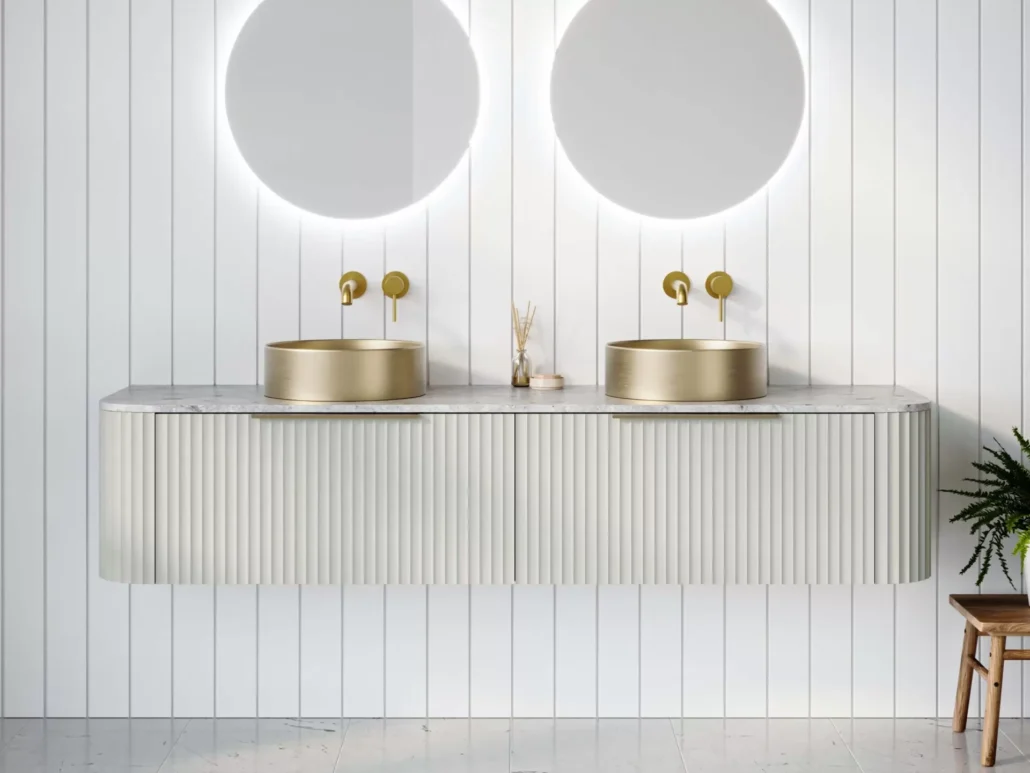
You can upgrade your bathroom vanity unit without moving your plumbing by selecting cabinetry with a dedicated plumbing void and using space-saving waste kits. Matching a new unit to existing pipework typically involves three steps: measuring your rough-in height, verifying drawer clearance, and selecting a compatible mounting style. This approach eliminates the need for expensive wall demolition and retiling.
Can you upgrade your vanity unit without moving plumbing?
Yes, most bathroom vanity units can be replaced without relocating pipes if the new cabinet's internal layout accommodates your existing waste and water inlets. By using offset connectors and low-profile traps, you can bridge small alignment gaps between the wall-waste and the basin. This method allows for a modern aesthetic update while keeping the original plumbing rough-in intact.
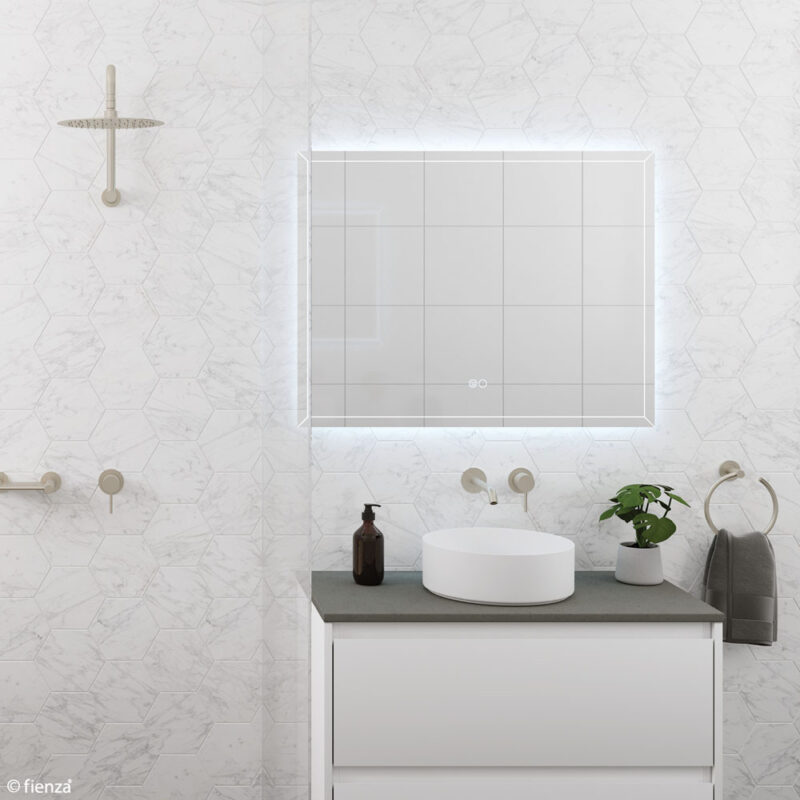
How do you identify your plumbing rough-in for a vanity swap?
To identify your plumbing rough-in, measure the vertical distance from your finished floor to the centre of the waste pipe coming out of the wall. In Australian homes, this standard height is usually between 450mm and 600mm. You must also measure the horizontal distance of the water inlets to ensure they sit within the open back-section of your new vanity units.
Measuring your existing waste pipe height
Accurate measurements are the foundation of a successful vanity units installation. Use this process:
- Floor to waste centre: Determines if a wall hung vanity can hide the pipe.
- Back wall to floor-waste: Essential for freestanding units to ensure the kickboard clears the pipe.
- Inlet spread: The width between hot and cold taps to ensure they fit inside the cabinet carcass.
The shadow zone audit: how to check drawer clearance
The shadow zone is the empty space at the rear of a vanity cabinet designed to house plumbing. To avoid drawers hitting pipes, follow these steps:
- Measure the depth of the new unit's drawers.
- Compare this to the total cabinet depth to find the plumbing void.
- Select vanity units with u-shaped drawer cutouts if your waste pipe sits directly behind the basin centre.
Which is better for existing plumbing: wall hung vanity or freestanding?
A wall hung vanity offers superior flexibility for wall-fed plumbing as it allows for vertical adjustments during mounting. A freestanding unit is the better choice for floor-fed plumbing or when you need to hide a footprint on an untiled floor. The best choice depends on whether your existing pipes exit through the wall or the floor.
Why a wall hung vanity is the best choice for wall-fed plumbing
A wall hung vanity, also known as a wall mounted vanity, creates a modern, floating look while providing easy access to wall-waste pipes.
- Vertical positioning: You can slightly adjust the mounting height to align with existing pipes.
- Visual space: Exposing the floor makes small Australian bathrooms feel larger.
- Cleaning access: Eliminates the floor-level grime build-up common in older bathrooms.
- Weight support: Requires timber nogging in the wall for a secure wall mounted vanity installation.
How freestanding vanities hide old floor footprints
Freestanding units are ideal for renovations where you do not want to retile the entire floor.
- Kickboard coverage: A wide kickboard hides the un-tiled gap or ghost left by your previous cabinet.
- Floor-waste concealment: Easily covers pipes that come directly through the floor.
- Storage volume: Provides the maximum possible drawer and cupboard space for family use.